

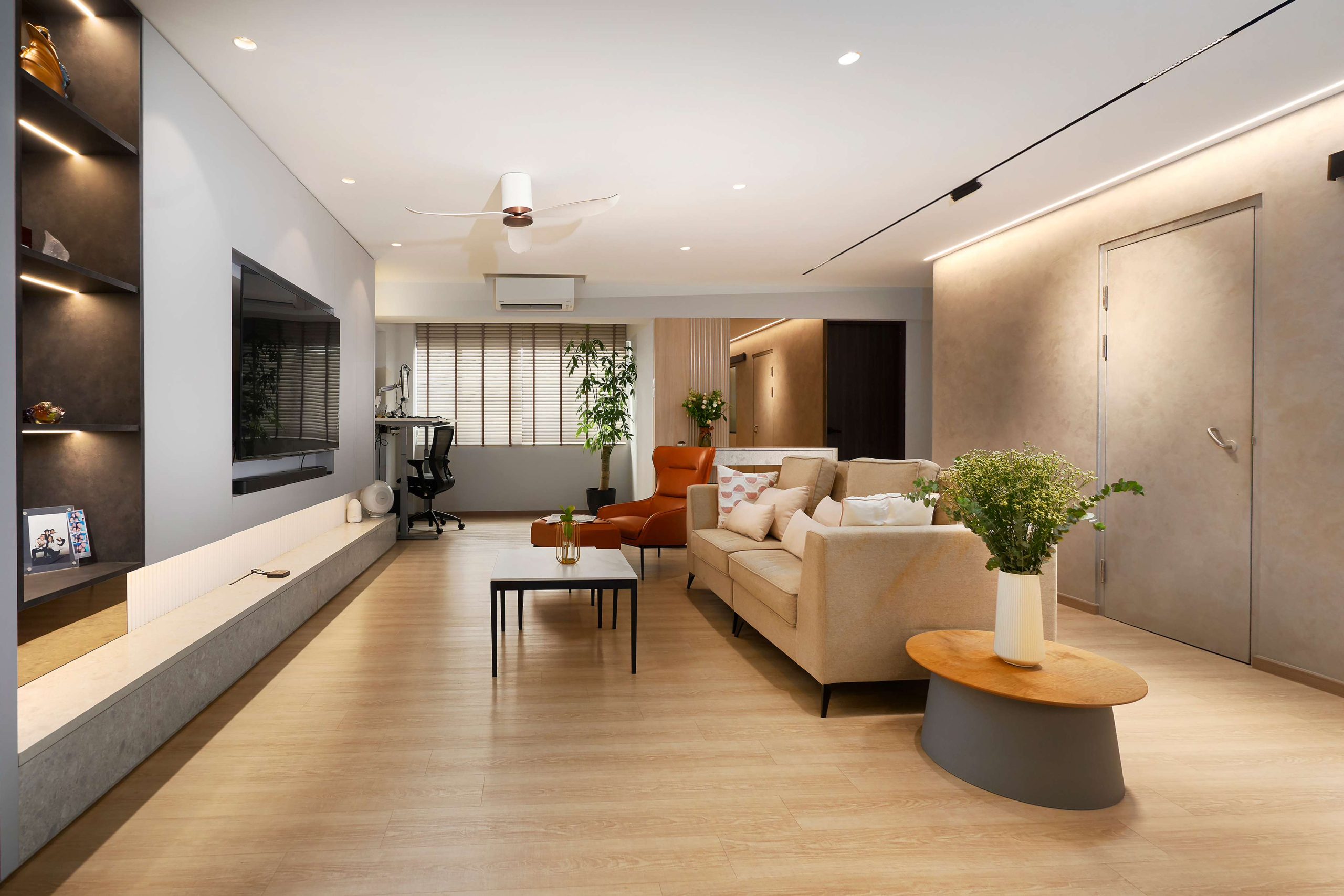
As you scroll through social media, it’s easy to get inspired by beautiful HDB home designs: statement entrances, beautiful flooring, and dramatic layouts.
Many renovation trends today look modern, stylish, and functional. However, homeowners in Singapore may not realise that certain popular renovation trends can be illegal without proper approval, or completely prohibited altogether.
Unapproved renovation works, no matter how minor, can result in penalties, mandatory reinstatement, and a range of other complications. All this can turn your dream home renovation experience into a regulatory nightmare.
This article breaks down five HDB flat renovation and interior design trends that look great but are actually illegal. By understanding the rules early, you can avoid costly mistakes and still create a home that’s stylish, functional, and fully compliant with HDB regulations.
1. Open-Concept Layouts by Hacking Structural Walls
Open-concept layouts are a highly sought-after interior design trend today. By removing walls, homeowners can introduce natural light, enhance airflow, and create a seamless connection between the living, dining, and kitchen areas.
But not all walls can be removed. Under HDB regulations, load-bearing or structural walls must never be hacked, as they support the entire building’s structural integrity. Removing or altering these walls can make the building unstable and unsafe for all residents.
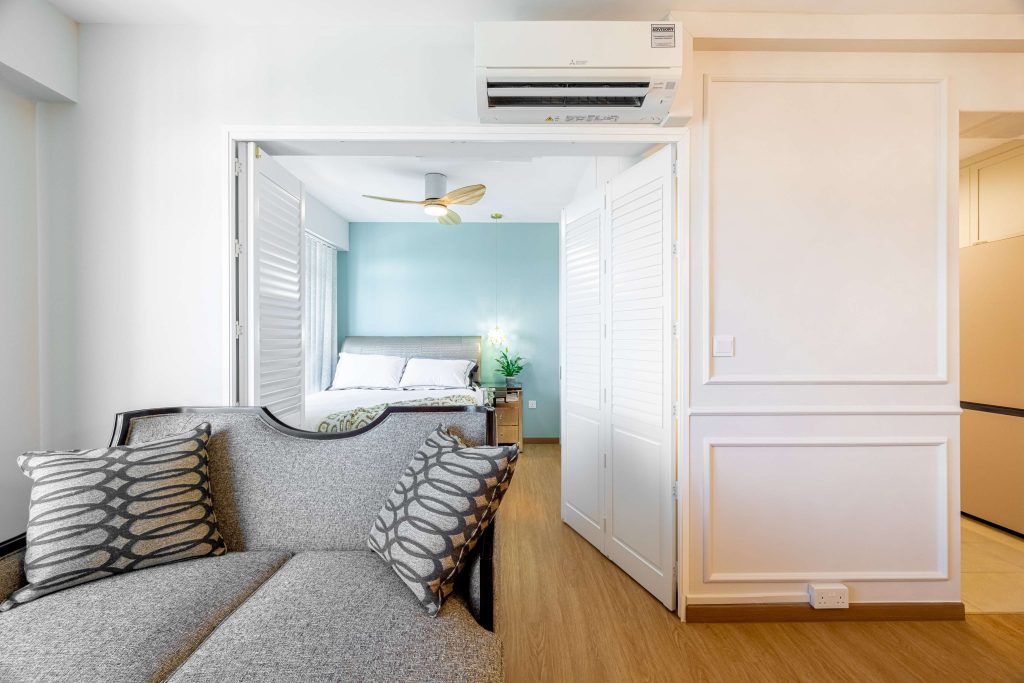
To achieve a similar open feel, you can consider alternatives such as:
- Adding glass partitions that visually expand the space without removing the structural support of the walls.
- Placing sliding or folding panels that can be opened or closed, as you prefer.
- Choose the same flooring and neutral-toned paints to create a unified look throughout your space.
By working with a licensed and experienced renovation firm, you can enjoy an airy, contemporary layout without breaching HDB rules.
2. Combining the Bathroom with the Bedroom or Living Area
Open or semi-open bathrooms, where the shower or vanity flows directly into the bedroom or living space, are a popular addition in boutique hotels and private residences. This design creates a luxurious and spacious feel.
Unfortunately, this renovation trend is generally not permitted in Singapore’s HDB flats, which enforce strict rules around wet areas. These rules are put in place to prevent water seepage, hygiene issues, and any potential damage to neighbouring units. Bathrooms must remain within approved wet zones, and water should not be allowed to flow into dry living or sleeping areas.
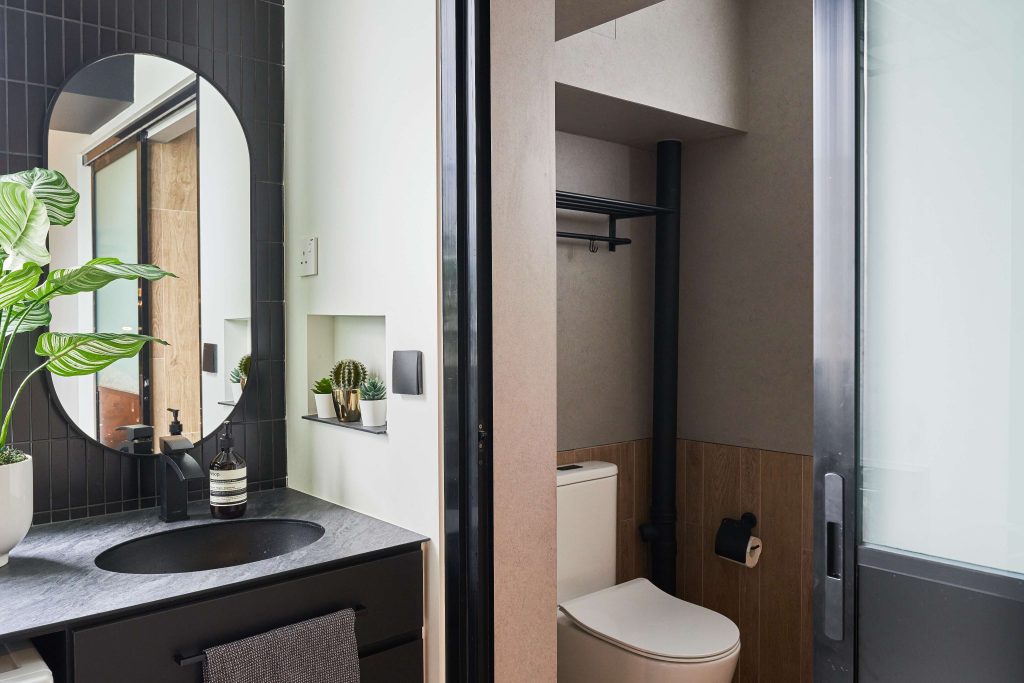
Homeowners can still achieve a similar aesthetic while staying compliant by considering:
- Semi-open ensuite designs with proper waterproofing and enclosed shower areas
- Fluted glass or frosted glass screens to maintain visual openness while containing moisture
- Dry vanity areas that are located just outside the bathroom, with the wet zone fully enclosed
These solutions offer the best of both worlds, providing a modern, hotel-inspired look without compromising safety or violating HDB regulations.
3. Installing Full-Length Windows or Changing Window Types
Floor-to-ceiling windows and stylish casement styles appeal to homeowners thanks to their sleek, modern look and their ability to bring more natural light to indoor spaces. These window designs make interiors feel larger and brighter.
However, HDB has several key regulations governing windows, especially because they affect building safety, façade uniformity, and public corridors. HDB flat owners planning to do renovation and design work on their windows should keep the following rules in mind:
- Windows that face common corridors must protect the privacy and safety of neighbours.
- HDB requires approved aluminium window frames that meet specific safety and durability standards.
- Only specific window types and opening mechanisms are permitted, including sliding windows and louvred windows.
Unauthorised window works may lead to penalties, mandatory replacement, or issues during resale inspections.
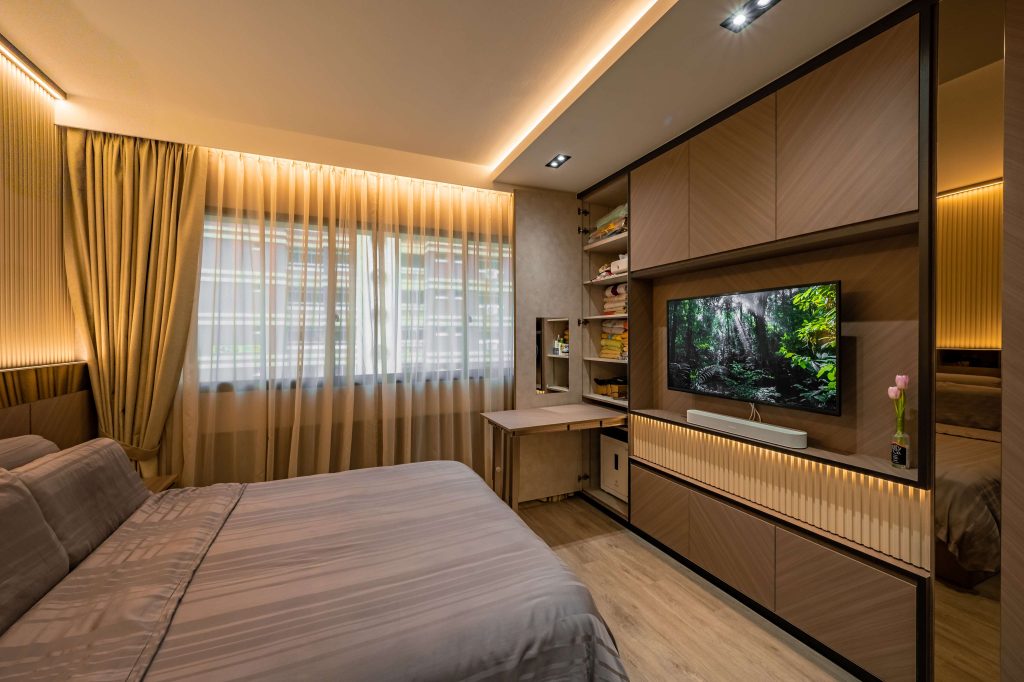
Homeowners can still achieve a modern look for their HDB flat without breaking the rules, with:
- Slim-profile aluminium window frames that maximise glass area while staying compliant.
- Interior window trims or moulding to elevate the aesthetic without altering the façade.
- Sheer curtains or blinds to enhance light while maintaining privacy
With the right design approach, you can enjoy a bright, stylish home while fully complying with HDB window regulations.
4. Loft Platforms and Mezzanine-Style “Second Floors”
Inspired by TikTok and tiny-home aesthetics, loft platforms and mezzanine-style “second floors” are appealing additions to smaller flats. Homeowners can maximise vertical space to secure additional sleeping, working or storage space while adding to the aesthetic appeal of the home.
In reality, raised floors or loft structures that can support human weight are not permitted in HDB flats. These structures pose safety risks because they were not accounted for in HDB’s original structural load calculations. Exceeding the designed load capacity for a building can lead to issues such as cracked walls, misaligned doors or windows, and even collapse in extreme cases.
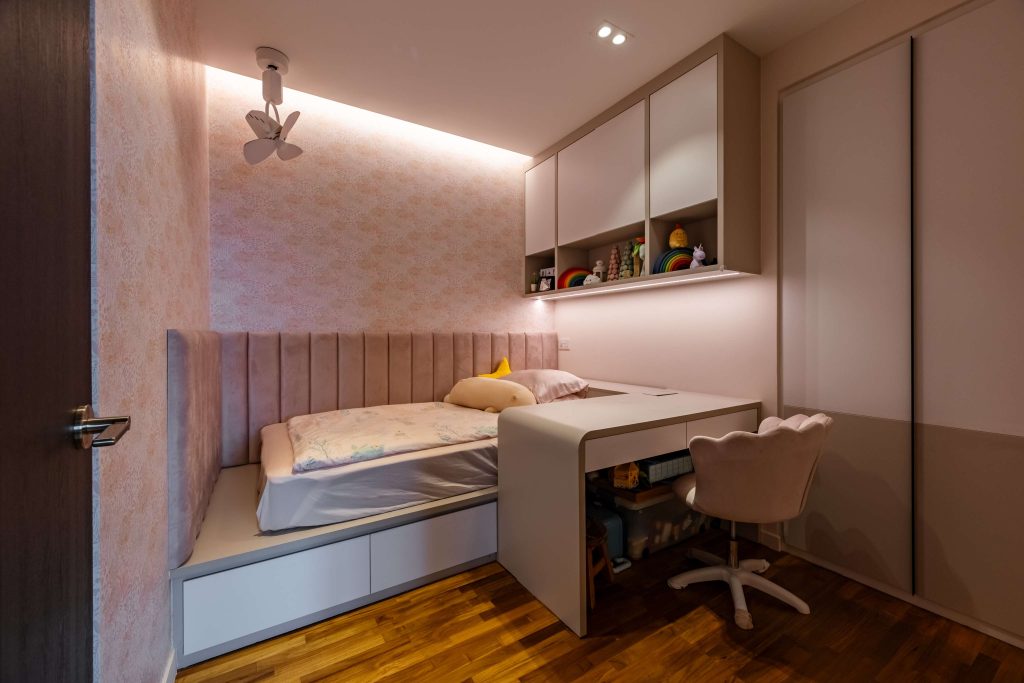
Instead of adding mezzanine floors or loft-style platforms, consider:
- Platform beds with integrated storage, which remain within approved floor levels
- Non-load-bearing loft shelves for storage or décor.
- Built-in cabinetry that extends vertically, maximising wall height without creating a second level
5. Installing Fixtures or Floor Finishes Outside Your Entrance
Some HDB flat owners in Singapore choose to extend tiles, flooring or decorative fixtures beyond their flat’s main door to create a more welcoming entrance zone. This continuous floor finish effect can also help the home’s interior feel larger and more cohesive.
However, HDB strictly prohibits any permanent modifications to common property areas, which include corridors, lift lobbies, and void decks. Examples of these alterations include installing fixed cabinets, benches, or decorative elements outside the flat.
These are spaces shared by all residents, and any unauthorised design changes can block access, create safety hazards, or affect maintenance works for neighbours.
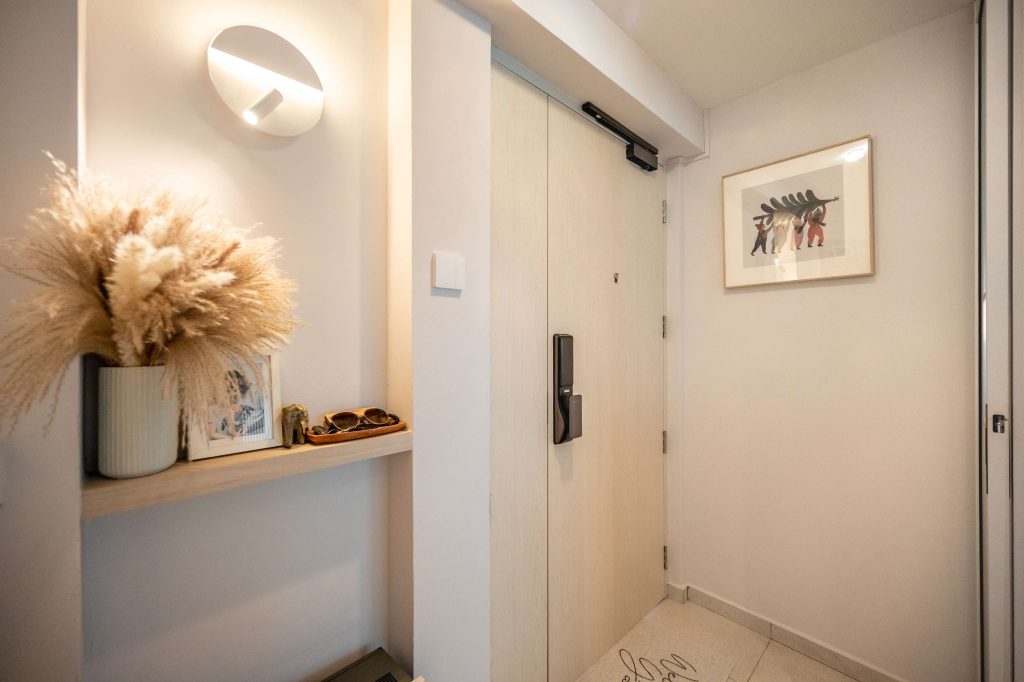
You can still enhance your home’s entrance by opting for:
- Removable welcome mats or rugs that can be easily taken away
- Non-fixed shoe racks or storage kept fully within the unit
- Small, movable planters or décor that do not permanently alter or restrict the corridor space.
This way, you can personalise your HDB flat’s entrance while still respecting shared spaces that other residents need to access.
6. Other Prohibited Changes Many HDB Homeowners Overlook
Below are some important safety-related restrictions to keep in mind when renovating your HDB flat:
Concealing Exposed Pipes
Exposed service pipes in HDB flats are intentionally designed for easy access and maintenance. Fully concealing them can prevent inspections and repairs necessary to keep the system functional and safe.
Changing the Main Unit Door to a Non-Fire-Rated Door
The main entrance door of an HDB flat must be fire-rated according to specified safety requirements. Replacing it with a non-compliant door poses fire risks and can result in enforcement action.
Removing the Bomb Shelter Door
The household shelter, also known as a bomb shelter, is a vital safety feature mandated by HDB. Removing or altering the shelter door is strictly prohibited, as it compromises structural integrity and safety standards.
How to Renovate Safely Without Breaking HDB Rules
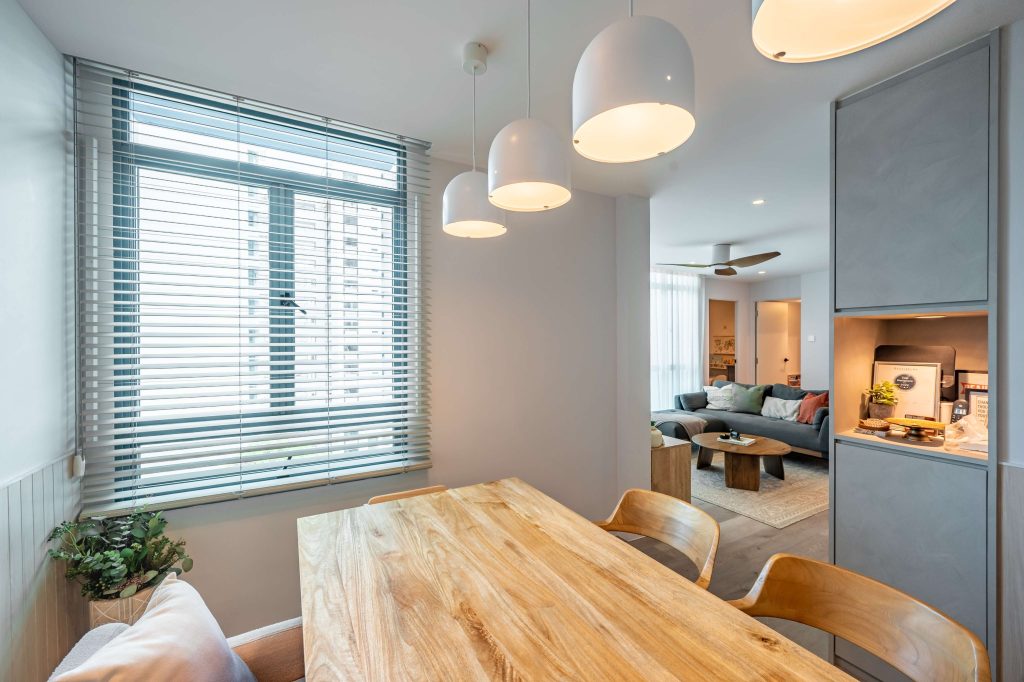
Renovating an HDB flat doesn’t mean compromising on your dream home vision. By working with the right renovation partner from the very beginning, you can look forward to a smooth and compliant renovation experience.
Work with HDB-Licensed Professionals
Engaging HDB-licensed contractors and workmen is essential, as they are familiar with current regulations, approval requirements, and on-site safety standards. Experienced firms like Rezt+Relax guide homeowners on what is allowed, what requires approval, and how to achieve design goals without violating HDB rules.
Conduct Design Feasibility Checks Early
Before finalising any interior design plan, feasibility checks will help your team assess structural limitations, wet area boundaries, and other key considerations for renovation works. Rezt+Relax’s interior designers ensure renovation ideas are reviewed for compliance early on, reducing the risk of costly changes or delays later.
Handle Permits and Submissions Properly
Certain renovation works require formal HDB permit applications before work begins. With a full-service team, Rezt+Relax manages submissions and approvals on behalf of homeowners, ensuring all works are authorised and properly documented.
Achieve Trends the Right Way
Many popular and beautiful renovation trends can still be achieved with the right adjustments. Through thoughtful reconfiguration, alternative materials, or design-led solutions, Rezt+Relax helps homeowners enjoy modern, stylish homes while staying fully compliant with HDB regulations.
With almost 20 years of experience in HDB renovation and interior design projects, the Rezt+Relax team has earned the trust and gratitude of thousands of homeowners across Singapore.
- We are ISO, CaseTrust-RCMA, and SQC certified, a testament to our skills in creative design as well as professional project management capabilities.
- As our client, you will receive real-time updates and support through the exclusive Rezt+Relax Super App, which acts as a central hub for all your renovation details, even for years to come.
- Our exclusive Lifetime Warranty ensures that your home is protected for as long as you own the property. It is also transferable to the next owner, providing
- You will also have direct access to our leadership. Our directors practice full transparency in answering any questions or concerns that clients may have.
Trusted Guidance for Every HDB Renovation
Renovating your HDB flat doesn’t have to mean sacrificing style for compliance. With professional guidance from an experienced interior design firm like Rezt+Relax, it’s entirely possible to create a beautiful, functional home while respecting HDB regulations at every step.
Rezt+Relax brings deep regulatory expertise, thoughtful design solutions, and a compliance-first approach to every project, ensuring your renovation journey is smooth, approved, and stress-free.
Ready to start your own interior design or renovation journey with us in Singapore?
Get a free quotation for your personalised HDB flat interior design plan.
Send us an enquiry to learn more about how we can help you with our renovation and interior design services.


