

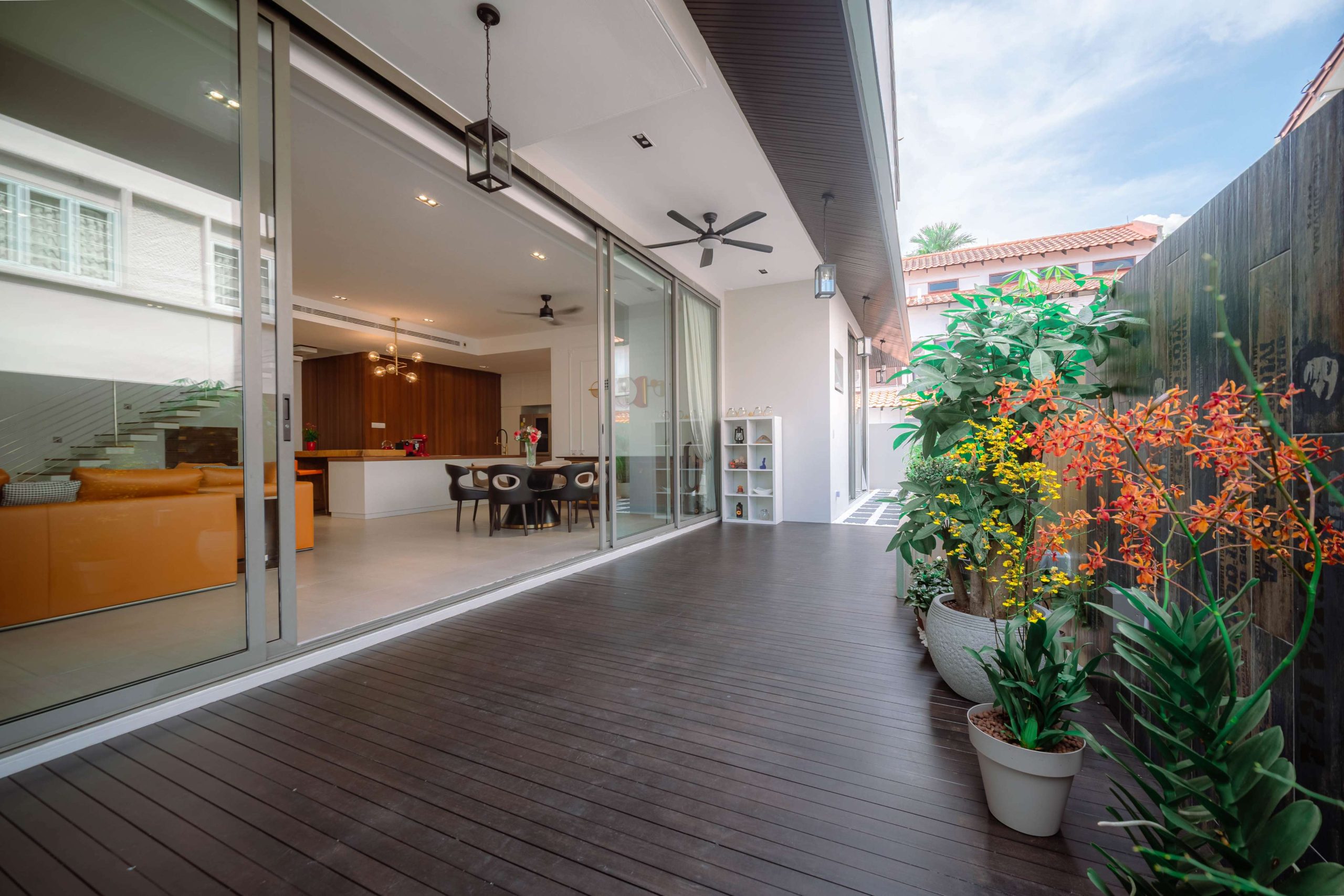
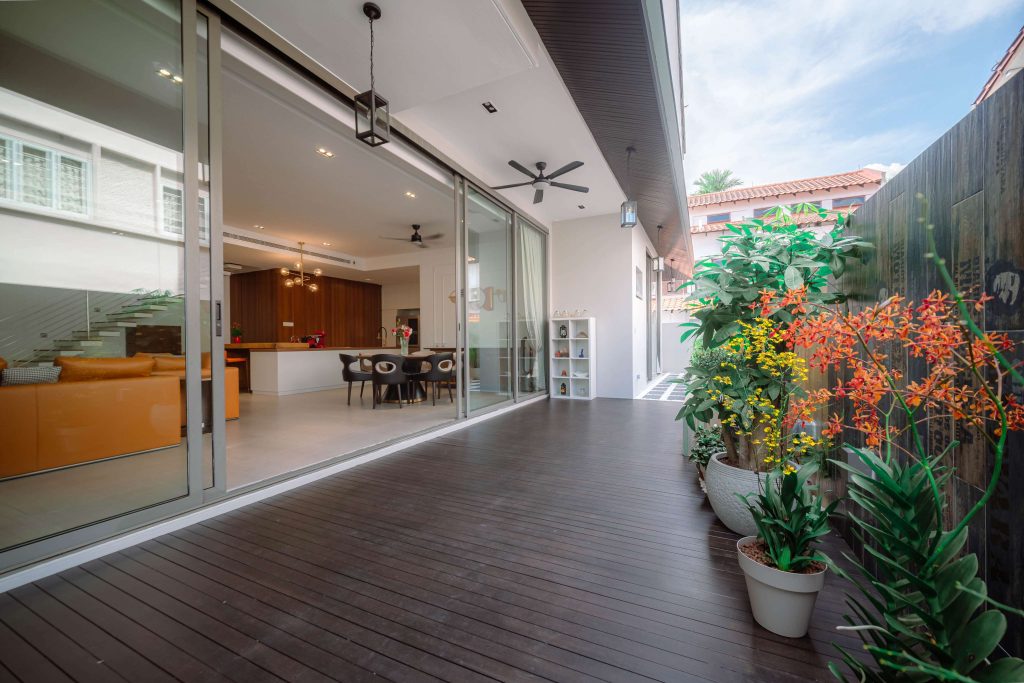
Purchasing a landed property in Singapore is an exciting milestone, but it’s also one of the largest and most complex decisions a homeowner can make.
Compared to condos or HDBs, landed homes have unique structural, maintenance, and legal considerations that can have a major impact on your renovation plans, long-term comfort, and even the future value of the property.
Taking the time to research and assess these factors properly can help you avoid costly surprises later and ensure you’re choosing a home that truly fits your lifestyle and goals.
This guide breaks down the 10 most important things to check before buying a landed property in Singapore, so you can make a confident, informed decision when purchasing and renovating your dream home.
1. Understand the Type of Landed Property You’re Buying
Before committing to a purchase, it’s important to identify the type of landed property you’re viewing. This is because the property type will determine the scope of renovations you can legally carry out.
Freehold vs. Leasehold
Freehold landed homes typically offer stronger value retention and greater redevelopment potential, especially for long-term owners or those planning to rebuild in the future.
Leasehold landed properties may offer a lower entry price, but their remaining lease can influence financing, resale demand, and long-term appreciation. Understanding this trade-off helps you plan realistically for future upgrades or extensions.
Property Classification: Detached, Semi-Detached, or Terrace
Each type of landed property in Singapore is governed by specific Urban Redevelopment Authority (URA) guidelines:
- Detached or bungalow houses provide the highest degree of privacy and design flexibility.
- Semi-detached homes share a common wall with neighbours. Accordingly, any renovation or interior design work must account for structural boundaries and the well-being of neighbouring residents.
- Terrace houses have specific setback requirements and may present some unique design challenges due to their narrower layouts.
Knowing your property class helps determine what structural works, extensions, or layout changes are possible.
You can learn more about the requirements for different property types in Singapore here.
2. Inspect the Property’s Existing Condition Thoroughly
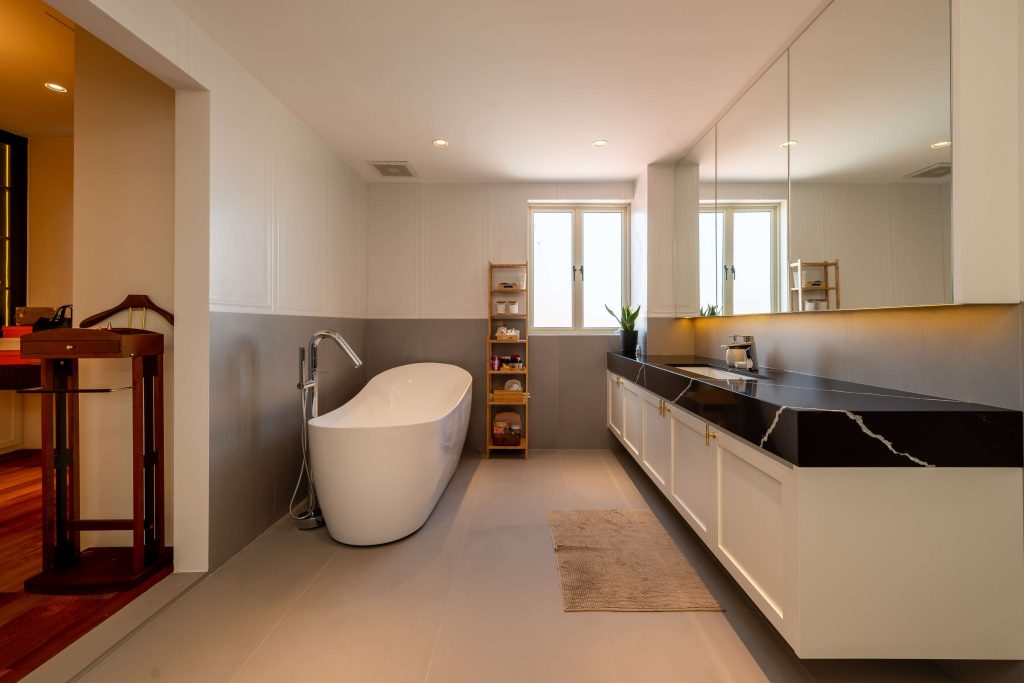
A landed property may appear well-maintained on the outside, but underlying issues can cause problems and add to the costs required for repairs and fixes. Before committing to a decision, consider engaging a professional inspector to conduct a thorough evaluation of the property (fees may apply), which may include:
- Structural integrity issues, like cracks, uneven floors, settling, or problems with the foundation.
- Roof condition, which should be checked for leaks, worn tiles, corrosion, or weak structural support.
- Drainage systems. The property should have proper slopes, functioning gutters, and no signs of pooling water.
- Pest issues. Termite infestations, for instance, are a common concern in older landed homes.
- Electrical wiring & plumbing. Outdated systems may require full rewiring or replacement.
Hidden defects such as water seepage, mould growth, or corroded plumbing can go unnoticed until major renovations begin. Bringing along a qualified expert for inspection will give you an idea of what repairs or reconstruction the property may need.
3. Request Visiting Rights Between OTP & Handover
This is one of the most overlooked yet incredibly useful steps in the process of buying a landed property in Singapore. Once the Option to Purchase (OTP) is signed, buyers usually assume they must wait until key collection to revisit the house.
However, you can actually request access to the house prior to the official handover. During this visit:
- You and your renovation contractor or interior designer can take accurate measurements early.
- You can evaluate site conditions, structural restrictions, and layout challenges can be assessed in advance.
- Your renovation plans can be finalised before the keys are officially handed over.
By the time you receive your keys, your renovation work can begin almost immediately, because the initial process of assessments, planning, and approvals has already been carried out.
You can arrange for visiting rights through mutual agreement with the property seller.
4. Secure the Approved Architectural & Structural Drawings
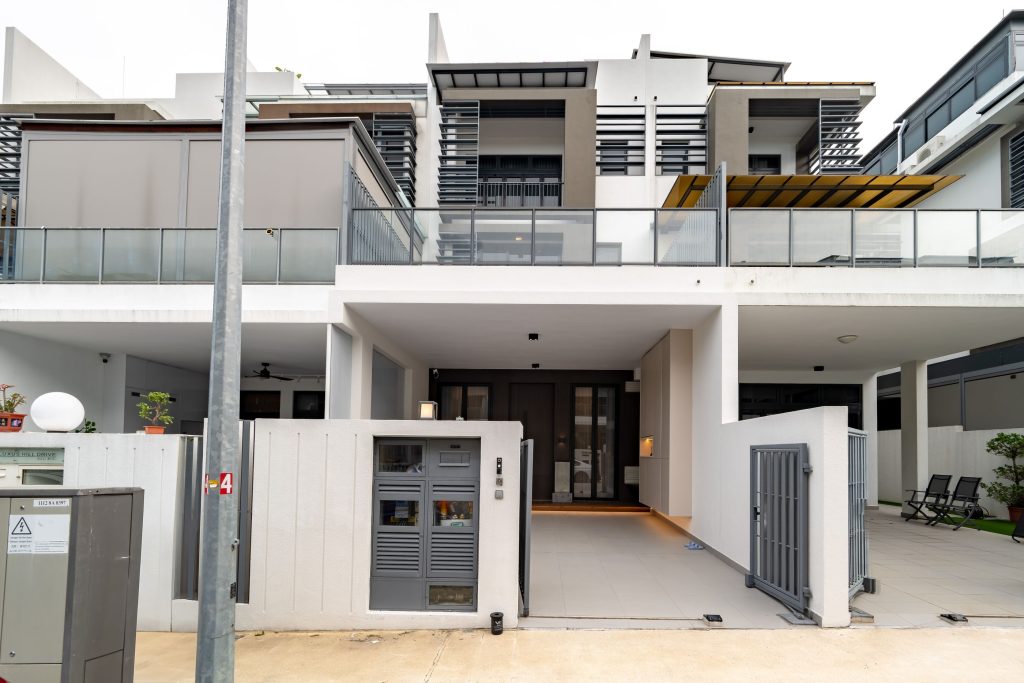
Before purchasing a landed property, it’s essential to obtain the approved architectural and structural drawings from the current homeowner. Only the existing owner can request these documents from the Building and Construction Authority (BCA).
These plans are important because they:
- Show how the house was originally designed and constructed.
- Reveal key information regarding structural beams, load-bearing walls, columns, and foundations.
- Show records of any approved past extensions or renovations.
- Help determine whether plans, such as extending floors, breaking down walls, or adding rooms, are feasible for the property.
With these drawings, your architect or interior designer can avoid delays and other complications when they make submissions for extensions, A&A (Additions & Alterations), or full rebuilding works on your landed property.
5. Conduct a Topographical (Topo) Survey & Soil Test (For Major Works)
If you intend to carry out major renovations, extensions, or a complete rebuild, you’ll need two essential evaluations: a Topographical Survey and a Soil Test.
A topo survey maps out the configuration of the land, including its contours, existing boundaries, and external features like drains, slopes and retaining walls.
This information is key for planning extensions, new structures, or landscaping works, as it ensures that your planned design aligns with the actual conditions of the site.
Meanwhile, a soil test reveals:
- The type of soil beneath the property
- Its load-bearing capacity
- Ground stability and moisture levels
Together, the topo survey and soil test allow engineers and contractors to draw up a solid, technical foundation for structurally safe and compliant renovation plans for major works.
6. Gather Supporting Documents
If you are intending to conduct major renovations or rebuilds for your newly purchased landed property, it’s important to have key technical documents on hand.
These will ensure that your future works comply with Singapore’s regulations and help you avoid any obstacles or delays related to permissions and laws. Additionally, these documents will give your architect, engineer, and designer a clear picture of the infrastructure surrounding your property.
Some key documents include:
| Plan | Description | Purpose |
| Sewerage Interpretation Plan(SIP) | Shows the location of underground sewer lines | Prevents the building of structures or loading over areas where pipes run, avoiding costly redesigns or illegal works. |
| Drainage Interpretation Plan(DIP) | Indicates drainage paths and public drains around the property site | Ensures proper water management and helps avoid flood-prone layouts or drainage conflicts during construction. |
| Road Line Plan (RLP) | Specifies if the land sits within a safeguarded road line area | If the property is affected by future road widening or government acquisition, certain extensions or rebuilds may be restricted. |
| Railway Protection Zone (RPZ) | Required if your purchased property is near an MRT line, tunnel, or station | Any structural works must comply with LTA’s safety guidelines to ensure the stability of the rail infrastructure |
Collecting these documents early prevents renovation delays and gives your renovation team clear boundaries to work within.
7. Check URA Master Plan & Future Developments
A landed property is not just about the house itself. The surrounding environment and long-term development plans are just as vital. Before making your purchase decision, review the URA Master Plan to understand how the neighbourhood may change in future:
- Zoning & Permissible Use
Confirm that the land is zoned for residential use and supports your intended future renovation or rebuild plans.
- Development Plans
Infrastructure like planned MRT lines, schools, or expressways can boost convenience and property value. However, they can also give rise to noise, traffic, or privacy concerns. Take the time to evaluate the potential impact of such changes on your lifestyle.
- Neighbourhood Growth
Rezoning from low-rise to higher-density areas may affect sunlight, views, and future privacy.
Understanding these and other upcoming changes will help you assess whether your choice of landed property aligns with your long-term needs and goals.
8. Confirm Setback, Height & GFA Guidelines
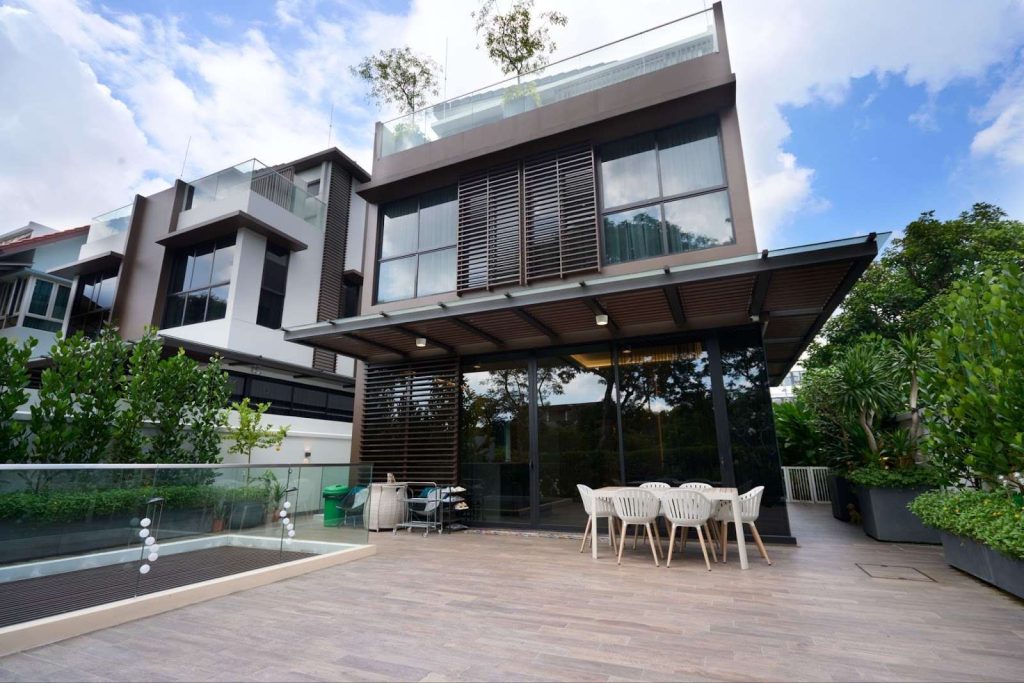
Before planning any major renovation, extension, or rebuild, it’s vital to learn the URA building requirements that govern landed homes. These rules determine the maximum size and layout flexibility of your future house:
Setback Requirements
URA mandates minimum distances between your house and the property boundaries: its front, side, and rear. The setback limits dictate how far you can extend your home, particularly for terrace houses where side boundaries may be tighter.
Height Restrictions
Depending on the estate zoning, landed homes have height limits of 2-storeys, 2.5-storeys, or 3-storeys. This will determine whether or not you will be able to add additional floors, attics, or mezzanines during renovation.
GFA (Gross Floor Area) Controls
This determines how much usable floor area you can build, influencing your overall layout, room count, and total liveable space.
Understanding these guidelines early helps you:
- Estimate your maximum build-up potential
- Avoid designs that violate regulations
- Determine if your dream home can be realised on the plot
Consulting an experienced renovation and interior design firm like Rezt+Relax can make all the difference. We are familiar with landed property regulations in Singapore and can support you in achieving your dream home while staying safe and compliant.
9. Understand the Maintenance & Upkeep Costs
Unlike condo or HDB living, landed property owners in Singapore are fully responsible for the home’s long-term maintenance costs. Factoring in these recurring expenses helps you prepare for the true expense of landed living.
Key areas to budget for include:
| Area | Budget Needs |
| Roofing and waterproofing | Periodic inspections to prevent leaks, especially during heavy rainfall |
| Drainage and external plumbing | Keeping drains clear and ensuring proper water flow prevents flooding and structural damage |
| Landscaping and outdoor areas | Gardens, patios, and greenery require upkeep for aesthetics, safety, and pest prevention. |
| Pest control | Termites, ants, and rodents are common concerns in landed homes, making regular inspections essential. |
| Façade and external walls | Paintwork, cracks, and sealants need periodic refresh to maintain structural integrity |
A realistic maintenance budget ensures your home stays safe, functional, and beautiful for years to come, and prevents small issues from becoming large-scale, expensive repairs.
10. Work with an Experienced Designer or Architect
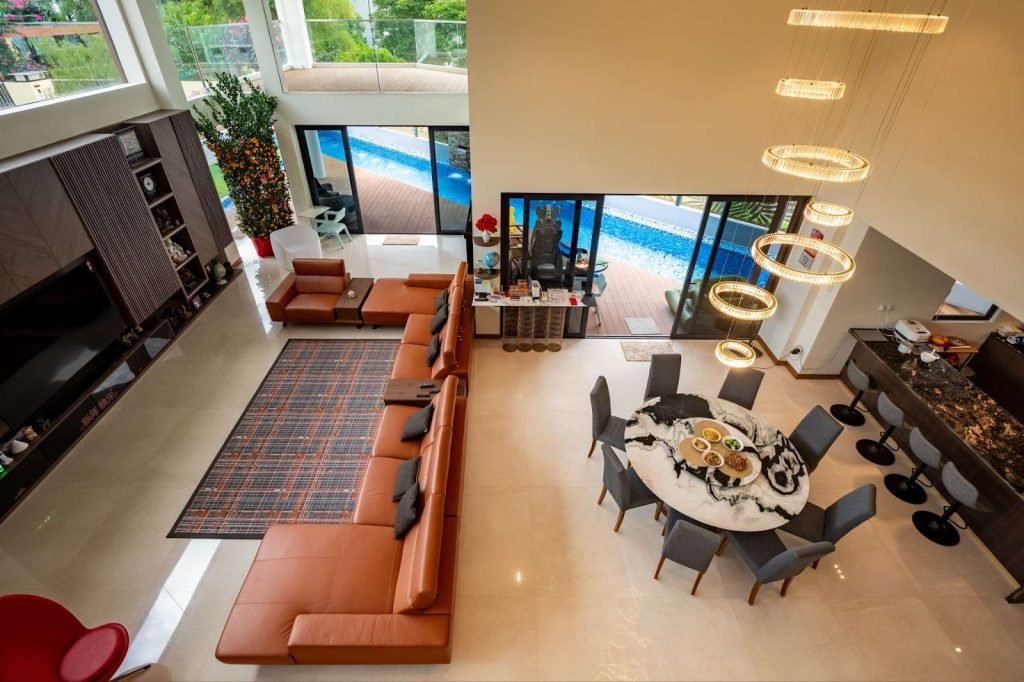
Landed properties come with unique challenges compared to condos or HDB flats.
With larger spaces, complex structural needs, and extensive planning needed, homeowners need a design firm that excels in project management, engineering coordination, and long-term aftercare. This is where Rezt+Relax stands out.
With our interior design and renovation firm, you can look forward to:
- Years of experience handling landed renovation and design projects in Singapore, from terrace houses and semi-Ds to bungalows.
- End-to-end support in regulatory compliance, design planning, and on-site project coordination.
- Working with an ISO, CaseTrust-RCMA, and SQC-certified company, a testament to our skills in creative design as well as professional project management capabilities.
- Receiving regular real-time updates and support through the exclusive Rezt+Relax Super App.
- Direct access to our leadership. Our directors practice full transparency in answering any questions or concerns that clients may have.
- A fully transferable lifetime warranty for your landed home renovation, helping ensure your peace of mind and establishing our commitment to lasting quality.
Join 20,000 homeowners in Singapore who have chosen our services, and turn your landed property interior design dreams into a beautiful reality.
Your Roadmap to a Dream Landed Home
Buying a landed property is a major investment that requires thoughtful evaluation and strategic planning.
By checking these 10 key areas before you commit to a purchase, you can help safeguard your financial investment, understand the potential and limitations of the property, and pave the way for a seamless renovation journey that will turn a promising property into the home you’ve always dreamed of.
Get a free quotation for your personalised landed home renovation plan.
Send us an enquiry to learn more about how we can help you.


